Availability varies — call to confirm. · (425) 845-0083
Roof-to-Wall Flashing Repair in Renton, WA
Sidewall Leak Repair

Renton Roof Leak Repair at Sidewall Joints

In Renton, fall and winter precipitation can expose weak points at roof-to-wall joints. Wet periods may reveal water trails, while seasonal temperature changes can shift adjoining materials. A roofer checks the joint and surrounding layers to find what needs repair.

PROPERTY DETAILS

A roofer traces the indoor moisture to the roof and attic, then checks the sidewall joint, flashing, cladding, and adjoining roofing. The repair may involve opening that area, correcting damaged overlaps, and replacing affected materials. The inspection determines the scope.

GENE COULON PARK CLUES

Checking Attic Clues for Roof Leaks

A new ceiling stain or wet area in the attic can be the first sign that calls for a roof check.

Near Cedar River Park, you see stains at ceiling edges.

A damp line or stain along the upper wall near the roof slope can point to water entering at the joint. The water may have traveled before appearing indoors. Record its location and changes after wet weather, then ask a roofer to inspect the transition and adjoining layers.

By Lake Washington, you spot bubbled paint high on walls.

Peeling paint or bubbling wall finish near a sloped ceiling can mean moisture is reaching the wall assembly. It does not prove the flashing is the source. Note the affected area and have the roofer compare it with roof and attic evidence.

Near Highlands Park, you find dark tracks along trim.

A musty smell near an upstairs wall or dormer may indicate lingering dampness, even without a fresh stain. Keep the area ventilated if practical and arrange an inspection. The roofer can check for water trails at the roof-to-wall joint.

At Liberty Park, attic sheathing feels damp beside wall joints.

Drips or discoloration that appear after wind-driven rain may help narrow where water is entering. They do not identify the failed layer by themselves. Record the timing and location, then ask for the joint, cladding, and nearby roofing to be checked.

In Renton, you hear drips behind upper-wall finishes.

Moisture on attic framing beside a wall can mark a path from the roof joint. Water may run along framing before reaching a room. Photograph what you can see safely from inside and share the location with the roofer.

When a Localized Roof Repair Fits

Renton sits in a region with substantial fall and winter precipitation. Repeated wet weather makes a sound roof-to-wall joint important, but it cannot identify a leak source. A roofer needs to inspect the particular home and its adjoining materials.

Renton homes sit across distinct districts, including areas around Cedar River Park and Highlands Park. Those landmarks orient the service area; they do not establish a roof type or leak pattern. Each wall-roof connection needs its own inspection.

Mention any visible ceiling stains or damp spots when discussing a roof leak inspection with the licensed pros we connect you with. Ask whether they serve your specific address before planning a roof leak inspection or repair.

Roof Leak Repair Overview

Water Path
Step flashing runs with the roof courses at a sidewall, helping direct water down the slope rather than behind the joint.
Wall Layers
Counter flashing covers the upper edge of step flashing at the wall, where the cladding and water-resistive layer matter too.
Roof Edge
A stain on an interior wall may sit away from the entry point because water can travel along decking or framing.
Nearby Faults
A roofer compares attic evidence with the roof surface and wall joint before choosing a localized repair or further evaluation.
Next Check
Homes near Liberty Park are within Renton’s service area; their roof materials and condition still require property-specific inspection.
NEXT STEPS
In Renton, fall and winter precipitation can expose weak points at roof-to-wall joints. Wet periods may reveal water trails, while seasonal temperature changes can shift adjoining materials. A roofer checks the joint and surrounding layers to find what needs repair.
ROOF ACCESS
an estimated $350–$900

Choosing A Repair For The Leak

Dormer roof leaks involve water entering through a dormer’s roof area. Roof-to-wall flashing leaks occur where a roof slope meets the sidewall, so the inspection focuses on that junction and its adjoining layers. Compare the indoor stain and visible water trail with the roof surface above. A trail beside the wall joint points toward that transition for inspection; water from another nearby roof area can travel along framing and appear in the same room. The roofer checks both areas.

Roof Leak Repair from Inspection to Fix

The roofer compares interior moisture and attic evidence with the roof surface above. At the wall joint, they inspect flashing, roofing edges, cladding, and visible water-resistive layers. They check nearby materials for a separate fault before settling on the likely entry path.

After diagnosis, the roofer opens only the area needed to reach the affected layers. They repair or replace damaged flashing and adjoining materials, then restore the roofing and cladding so their overlaps shed water. The final scope depends on what inspection reveals.

If the damaged area is accessible and the repair scope is clear, one appointment may cover inspection and repair. A broader plan is reasonable when findings show multiple areas need attention or the leak's path cannot yet be confirmed. Ask what evidence will guide any follow-up.

WHEN TO FIX THE SOURCE OR RECHECK LATER
Leak Clues Inspection-Led Repairs
One roof issue, entry point identifiedRoof entry tracing
Previously repaired leak surfaces againRoutine inspection
Drips under separate parts of the roofFlashing corrected, shingles refitted

Roof Leak Repair: Protecting Rooms

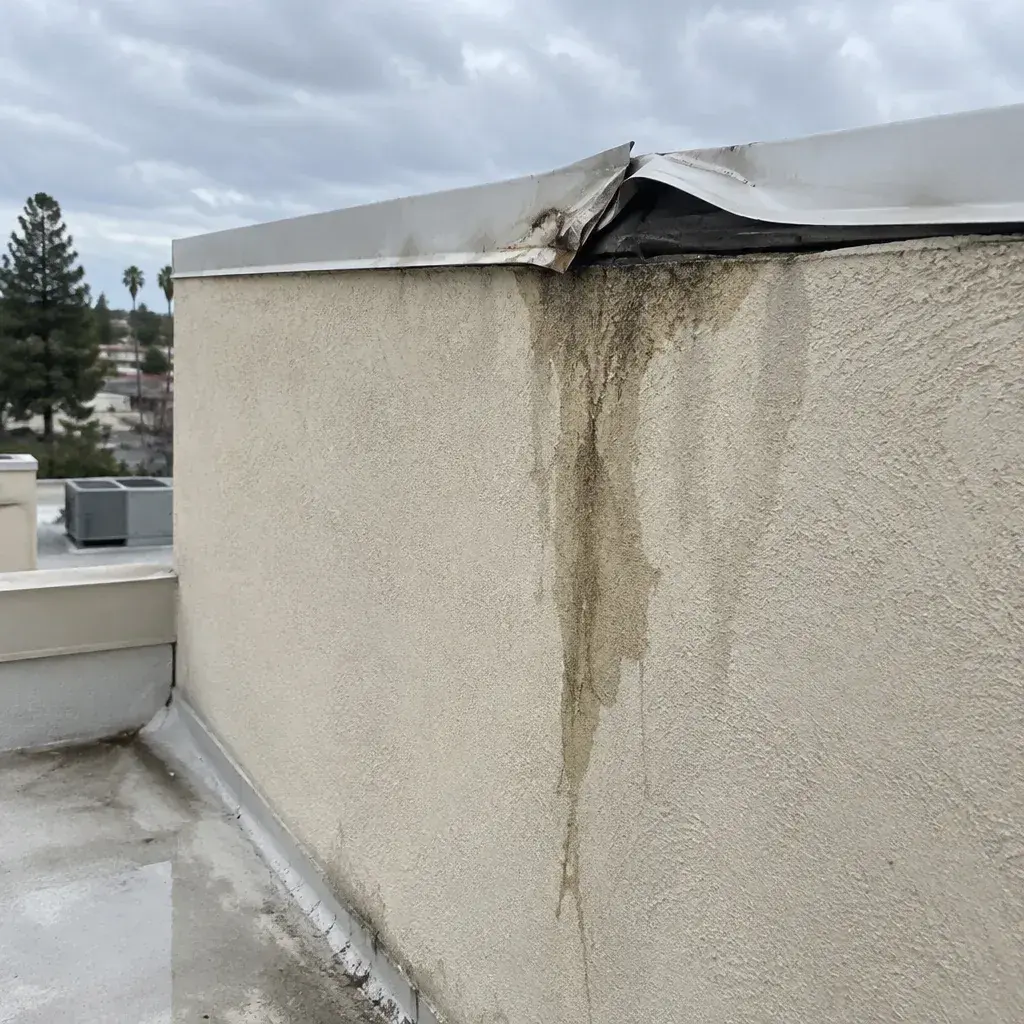
From the yard, look toward the roof-to-wall seam without using a ladder. Note whether shingles seem to meet the siding cleanly or a visible metal edge looks lifted. Distance can hide details, so treat this as an observation only. Do not pull siding, lift shingles, or apply sealant. Leave concealed flashing and wall layers for the pros we connect you with.

Roof Access During Leak Checks

A leak can damage ceilings, walls, and belongings as moisture spreads. Keep people away from sagging or wet ceiling areas, and protect belongings while containing drips indoors. Do not touch wet electrical fixtures or climb onto a wet roof. Note where moisture appears, then arrange a roof inspection to check the wall joint and nearby materials.

See What Can Change Leak Repair Cost

Request an inspection from the pros we connect you with; findings can clarify the needed repair and shape its estimate.Renton’s guide range covers repair work tied to the inspected leak, such as affected shingles, flashing, valleys, or roof seams. It excludes unrelated damage and any separate visit charge. The pros we connect you with confirm visit charges, inspection findings, and exact repair scope directly. Near Green River or Briscoe Park? Mention that when arranging a visit.Find complete repair ranges and cost drivers inside the pricing guide.
REPAIR OPTIONS

Roof Leak Repair Details

Ridge Cap Leak Repair

Highlands Park Homes. A roofer inspects the ridge and attic evidence, then removes loose…

Roof Repair FAQs

Roof Leak Repair Answers

How does a roofer repair a leak at a sidewall joint?

A roofer first compares the indoor moisture location with the roof and attic above it. Damp insulation can show whether water has reached the roof structure. At the wall joint, the roofer checks step flashing, counter flashing, cladding, and the water-resistive layer. Repair may require removing nearby roofing or cladding, correcting the flashing overlap, and replacing damaged materials. The inspection findings determine the repair scope.

What should flashing and siding do where a roof meets a wall?

At the roof edge against a sidewall, step flashing should direct water down each course, while the wall’s cladding and water-resistive layer help shed water above it. A roofer checks whether these parts overlap and connect properly. If water has tracked behind the cladding, surface sealant alone may leave the path open. The repair depends on which layers are damaged or out of place.

What should I record before a roof-to-wall inspection?

Note when the stain appears, which wall or ceiling it marks, and whether it changes after wet weather. If you can safely see attic areas from inside, record visible moisture or water trails without disturbing materials. In Renton, share those observations with the roofer and ask them to compare the trail with the wall-roof joint and nearby roof surfaces. The stain’s location alone cannot confirm where water entered.

What affects the scope of roof-to-wall leak repairs?

The cost depends on what must be opened and repaired: flashing, adjoining roofing, cladding, water-resistive layers, or damaged material beneath them. Access and the condition of the surrounding roof also affect the work. Ask the roofer to identify the suspected entry point, describe each repair item, and explain what inspection findings support the proposed scope.

Take the Next Step

Roof-to-Wall Flashing Repair in your home?

Use the call to describe the leak and ask what the inspection will cover. Confirm the visit charge before scheduling with the pros we connect you with. Once they inspect, request written findings and proposed work, including which roof components the repair would address.

Call (425) 845-0083
Confirm availability, inspection charges, and written scope
Call (425) 845-0083 Schedule Online